What exactly is SHERPA?
+
SHERPA is an integrated FF&E governance solution that controls the process and takes responsibility for outcomes from design intent through installation. It is not another vendor in the chain; it is the accountable operating model the chain runs through.
Is SHERPA software?
+
No. SHERPA may use technology for visibility, records, and communication, but the value is the governance solution behind it, not a platform or marketplace. The system governs the work; the tools only support it.
How is this different from a purchasing agent?
+
A purchasing agent focuses on sourcing, quoting, ordering, and vendor coordination. SHERPA can perform procurement, but it governs how procurement connects to design intent, budget, schedule, approvals, logistics, installation, and closeout, with accountability for the result.
Do you replace our designer, architect, or project manager?
+
No. Each keeps responsibility for its own professional scope, and design authorship remains with the design team. SHERPA governs product-level execution (specification development, engineering, pricing validation, vendor alignment, and release) and how FF&E information, approvals, schedules, risks, and decisions move through the project, so those roles stay aligned rather than disconnected.
What is governed FF&E procurement?
+
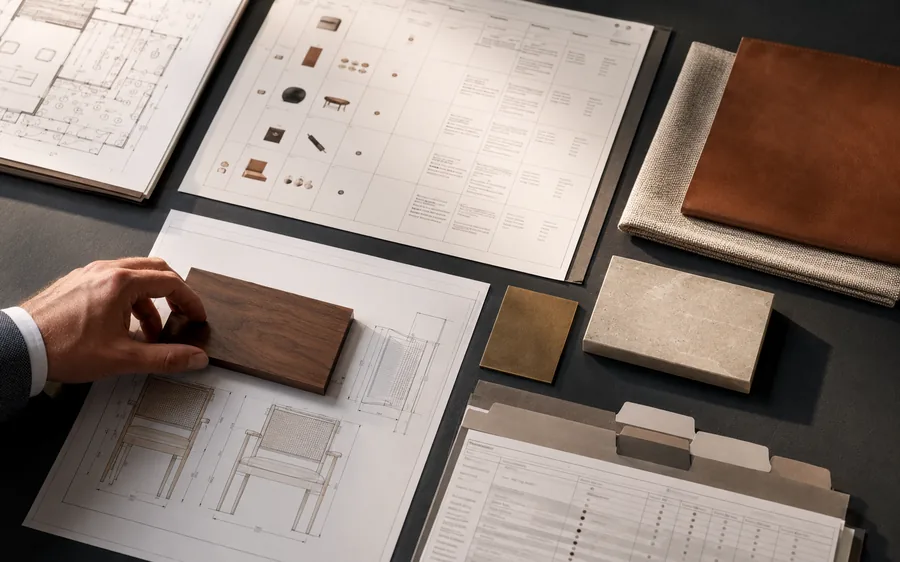
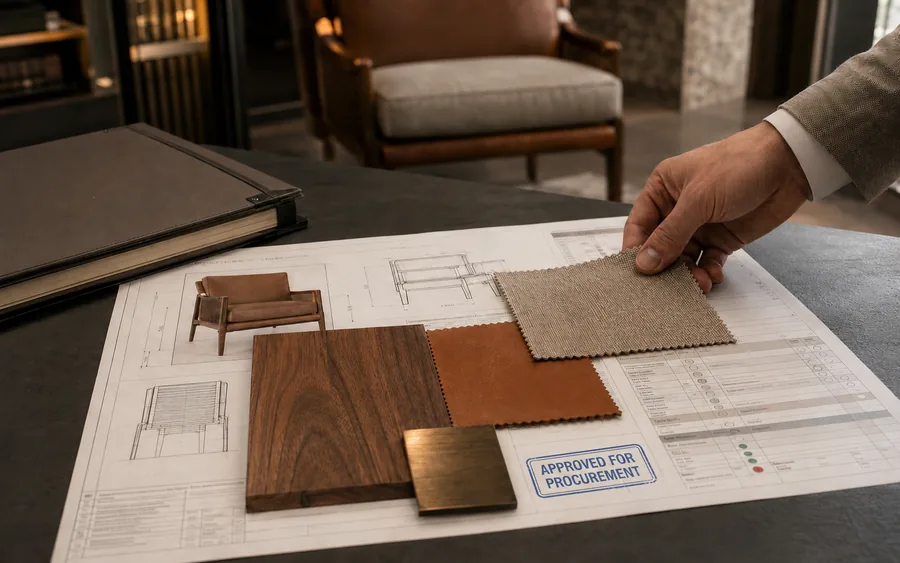
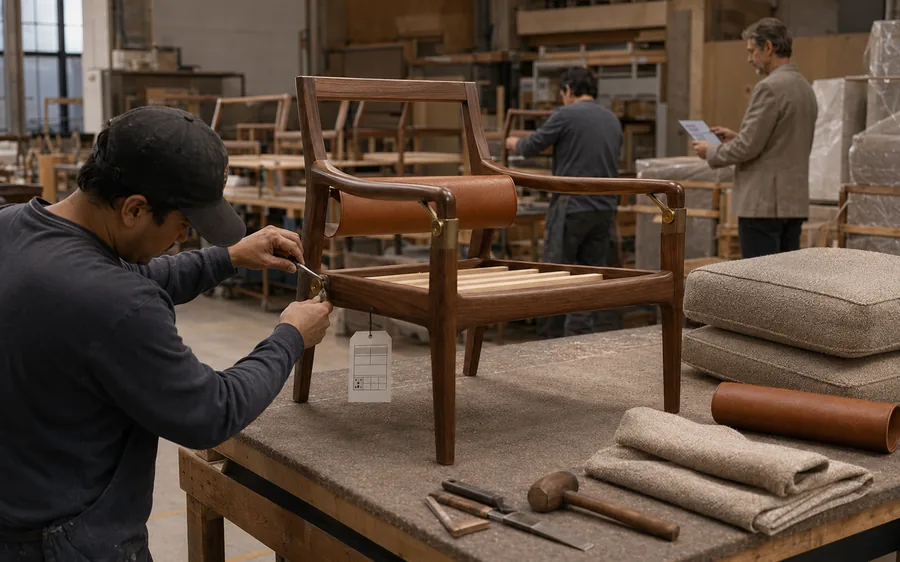
Governed FF&E procurement is a controlled process that translates approved design intent, budget targets, and performance requirements into traceable specifications, validated pricing, production-ready releases, and documented warranties, with defined decision rights at every step.
How is SHERPA procurement different from traditional FF&E purchasing?
+
Traditional purchasing often treats procurement as a transactional handoff. SHERPA treats it as one governed spoke in an integrated FF&E governance solution, enforcing alignment on design intent, cost discipline, manufacturing feasibility, and lifecycle support before capital is committed.
How long does the SHERPA governed procurement process take?
+
Timeline depends on project scope and when engagement begins. The structured 6-step process typically compresses decision cycles and reduces downstream changes. Early involvement (during definition and validation) delivers the greatest schedule and budget protection.
What does SHERPA need from the client to start?
+
Clear, approved inputs: design intent and brand persona, room/area structure, budget targets, approval authority thresholds, durability and maintenance expectations, material/finish preferences, and timeline constraints. These inputs enable precise execution with minimal clarification loops.
What outputs does SHERPA procurement deliver?
+
Controlled item schedule, specification matrix, quote comparison and validation record, budget alignment log, submittal and approval log, procurement tracker, production release packages, value-engineering decision records, warranty documentation, and complete closeout records with full traceability.
How does SHERPA protect budget and design intent?
+
Through defined decision rights, quote validation against multiple lenses (budget, performance, engineering, warranty), approved substitution review, and continuous traceability from original intent through production and installation.